 NDLink
For the past three years, Nigeria has operated without an active National Youth Policy (NYP). This policy vacuum has led to fragmented interventions, weakened accountability, and a lack of strategic direction for the youth, who make up over 60% of the nation’s population. Across the South-South region, where youth priorities, from environmental justice to digital livelihoods, are unique and urgent, the absence of a guiding framework has been deeply felt.
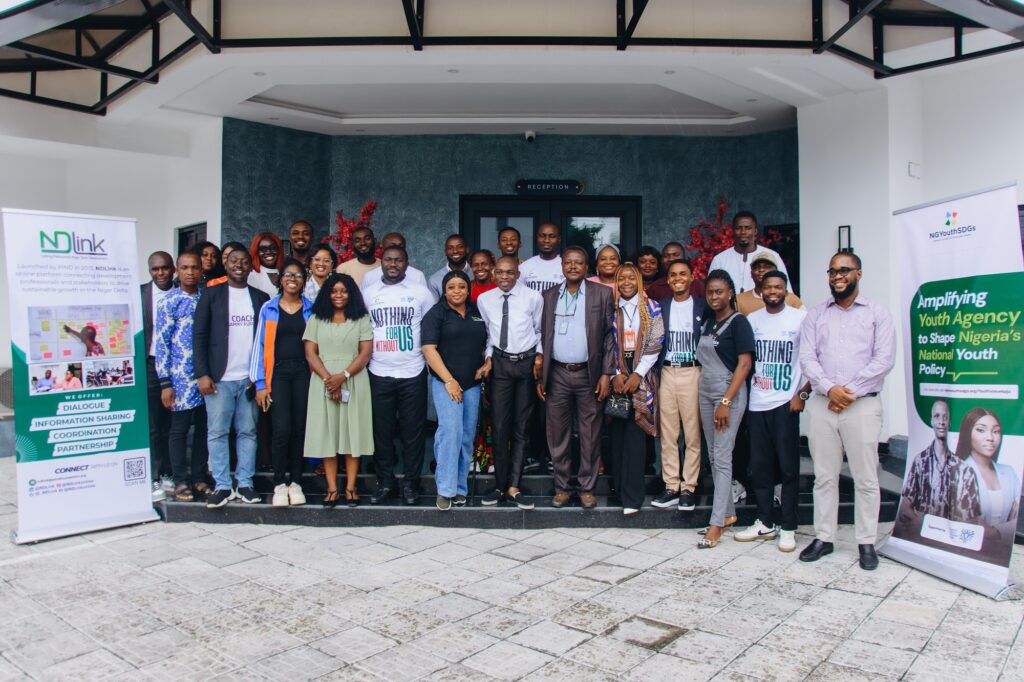
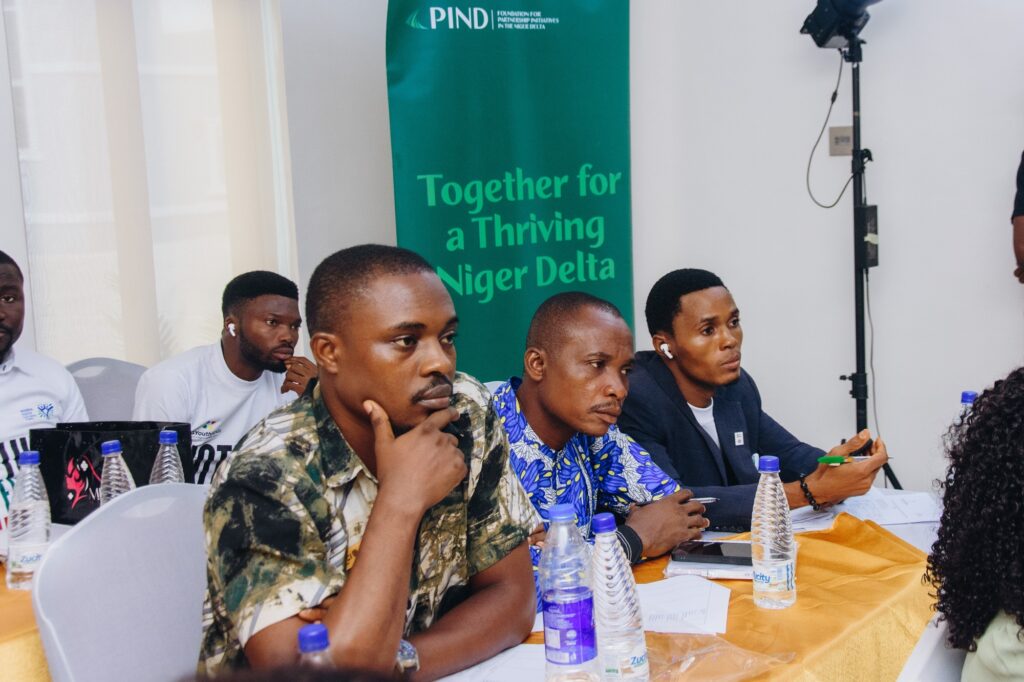
Recognizing this critical gap, NDLink, in strategic collaboration with the Network of Youth for Sustainable Initiative (NGYouthSDGs), hosted the South-South Zonal Youth Consultation in Rivers State. This one-day intensive engagement, implemented under the “Youth Voices Naija” project and funded by the Nigeria Youth Future Fund (NYFF) and the Foundation for Partnership Initiatives in the Niger Delta (PIND), was conducted under the supervision of the Federal Ministry of Youth Development. The convening brought together
Addressing the Implementation Gap
The consultation served as a critical corrective measure to years of top-down policy design. By convening 30 diverse stakeholders, including youth leaders, community advocates, and persons with disabilities (PwDs), the initiative established a rigorous, youth-led dialogue space to ensure that the lived realities of the South-South are integrated into the national policy framework. To achieve this, the session focused on five strategic pillars:
- Economic Survival: Designing frameworks for sustainable, youth-led wealth creation.
- Governance & Inclusion: Moving youth from the periphery to the center of decision-making.
- Digital Life: Leveraging the digital economy to solve unemployment and talent mobility.
- Peace & Social Cohesion: Linking youth resilience to broader community security.
- Inclusive Social Protection: Positioning PwDs as primary architects of policy architecture.
The Dialogue: Evidence-Based and Solution-Driven
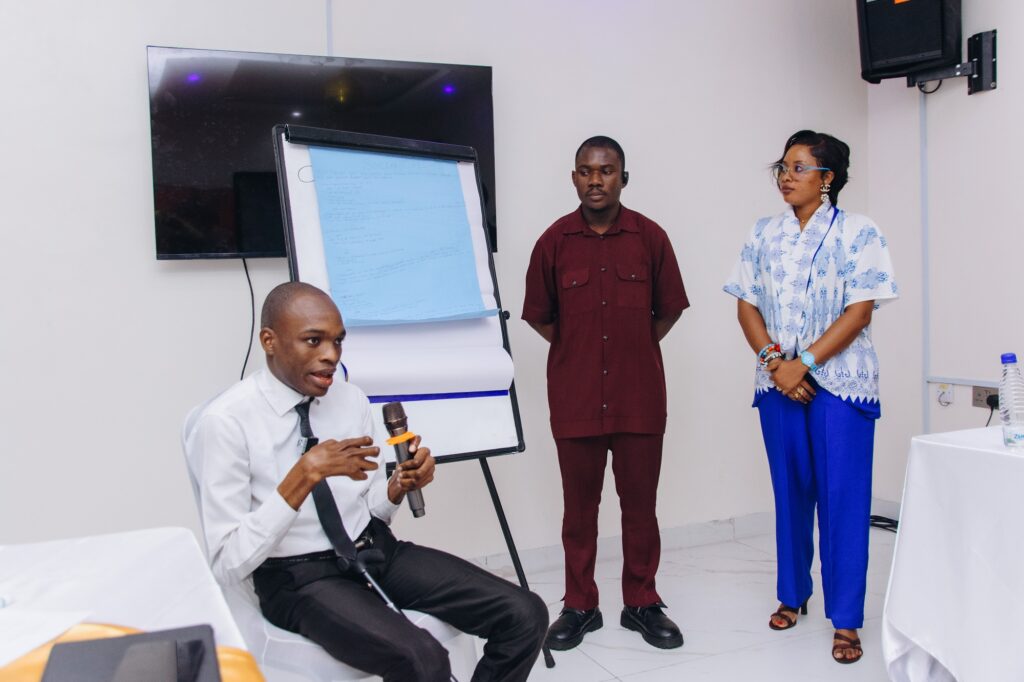
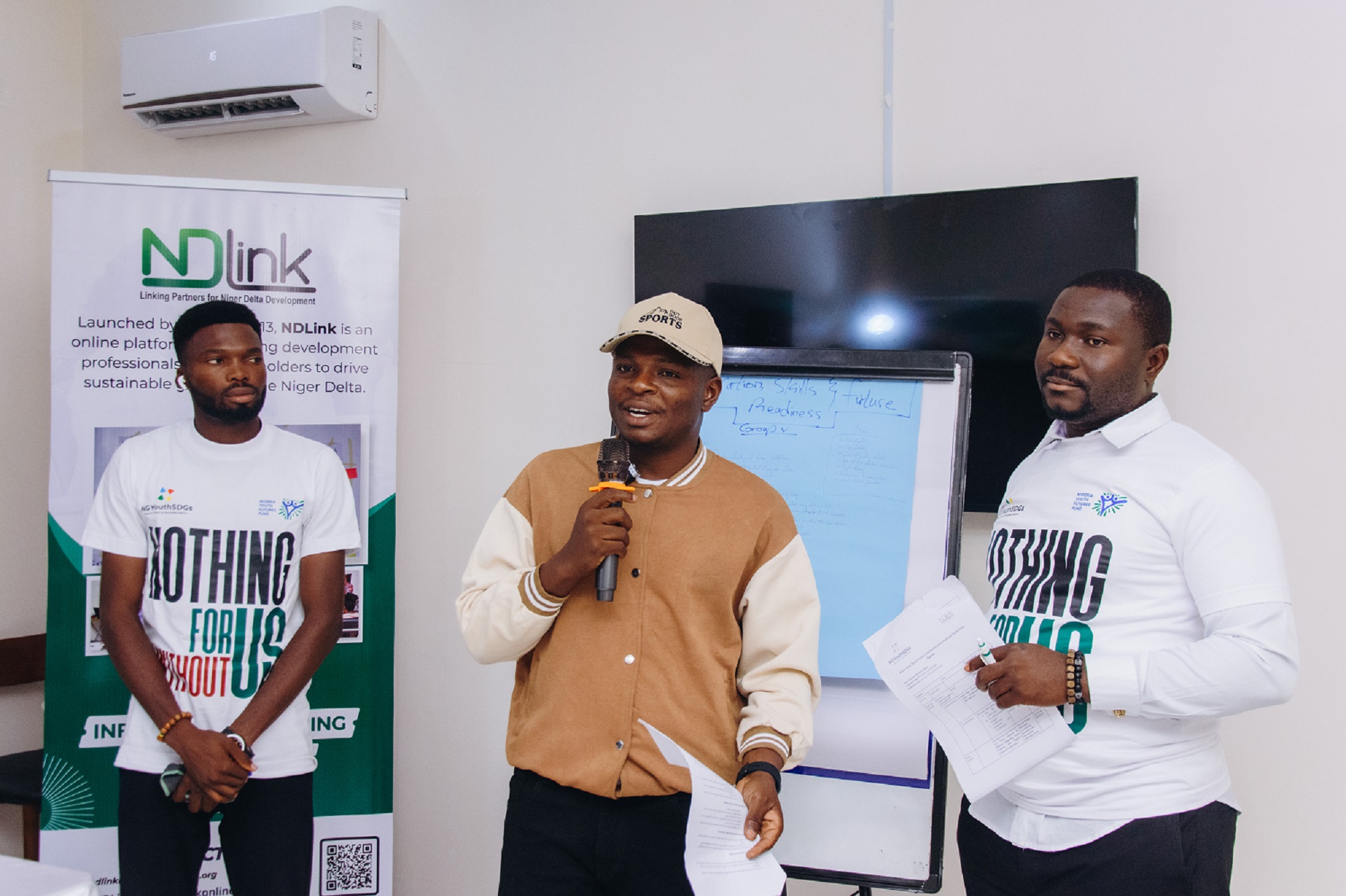
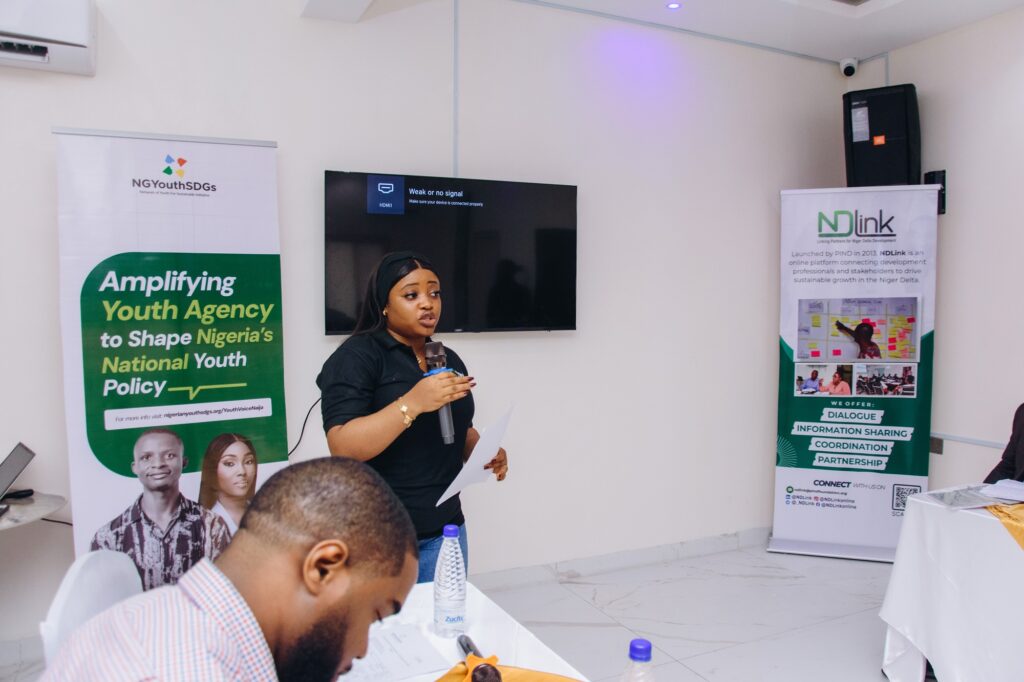
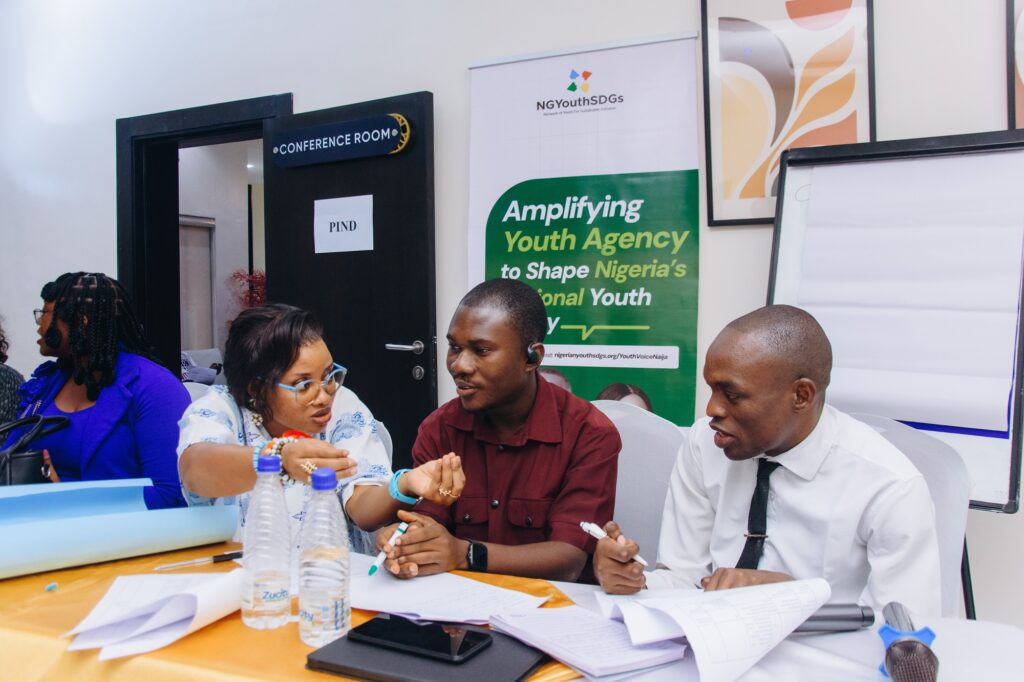
The zonal consultation moved away from traditional lectures and adopted a highly participatory model. An interactive panel titled “From Evidence to Action: Integrating Youth Realities into Nigeria’s National Youth Policy” challenged participants to use regional data and practical examples to justify their recommendations.
The event also featured structured breakout sessions focused on the implementation Gap. Participants argued that Nigeria’s primary challenge is not a lack of ideas, but a lack of accountability systems to ensure those ideas reach the grassroots. Throughout these sessions, special emphasis was placed on including marginalized groups, ensuring the new policy is truly “national” by leaving no one behind.

Key Outcomes: Driving the National Agenda
The consultation achieved several strategic milestones, which include:
- Collation of evidence-based recommendations that will be translated into a formal policy brief for the Federal Ministry of Youth Development.
- Strengthened ownership of local youth leaders, empowering them to see themselves as stakeholders in the national policy process rather than passive observers.
- Inclusive representation through the successful integration of PwDs and community advocates into high-level policy discourse.
Established a stronger Regional Advocacy Network between the Niger Delta youth organizations and national development actors.
Looking Ahead: Turning Voices into Policy
The Port Harcourt consultation is one of three conducted across Nigeria’s geopolitical zones. Similar engagements were held in Bauchi (North-East) and Jos (North-Central) to capture diverse youth inputs. The reports generated across these regions will be consolidated, validated, and used to advocate for a responsive and impactful National Youth Policy.
At NDLink, we believe that “Nothing About Youth, Without Youth” is more than a slogan, it is a requirement for sustainable development. By bridging the gap between regional lived experiences and national policy design, we are ensuring that the next chapter of Nigeria’s youth development is written by the youth themselves.