 Mary Joseph
Climate change is increasingly becoming a security and livelihood concern for communities across the Niger Delta, as flooding, environmental degradation, coastal erosion, and changing weather patterns disrupt the land and water resources on which many households depend.
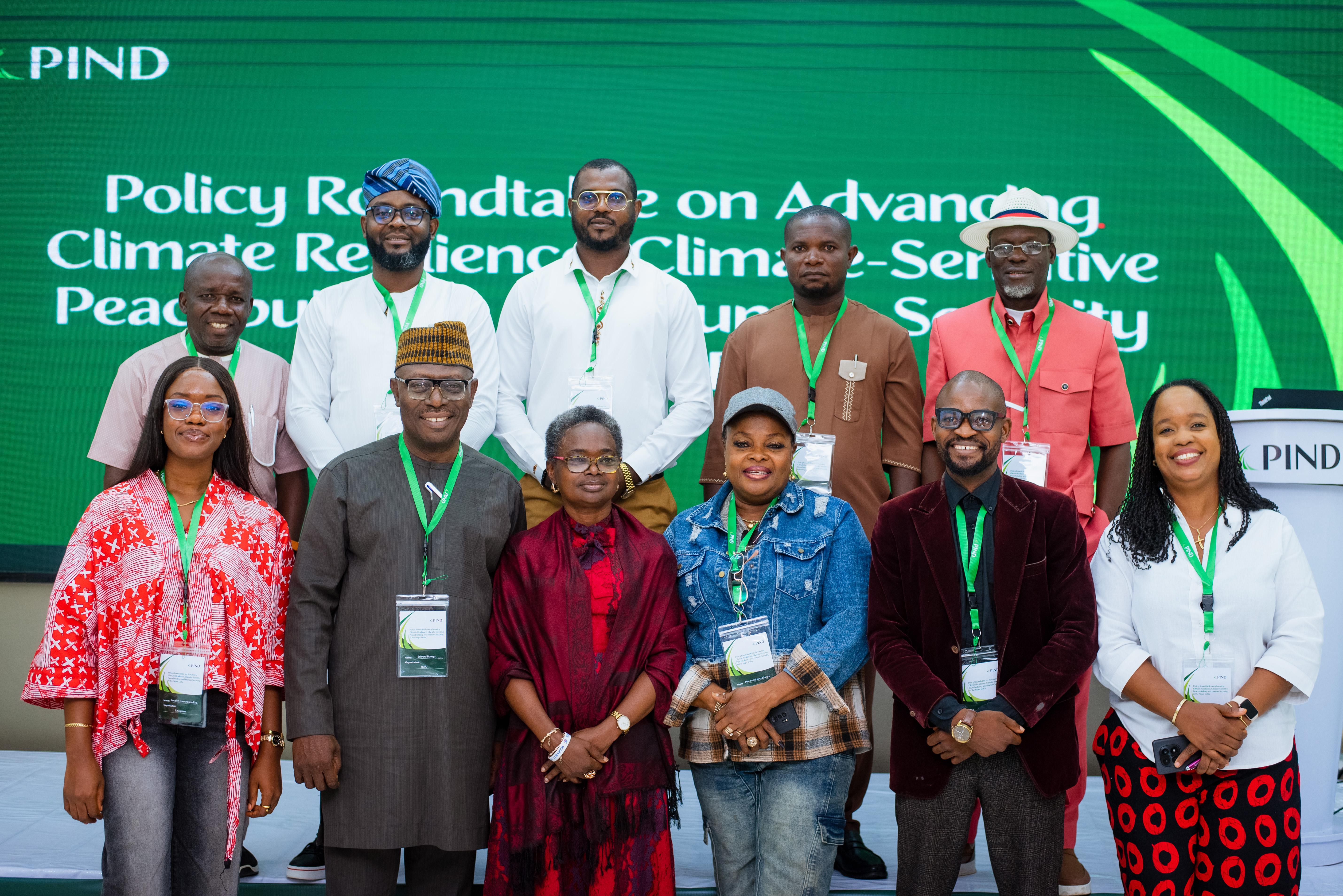
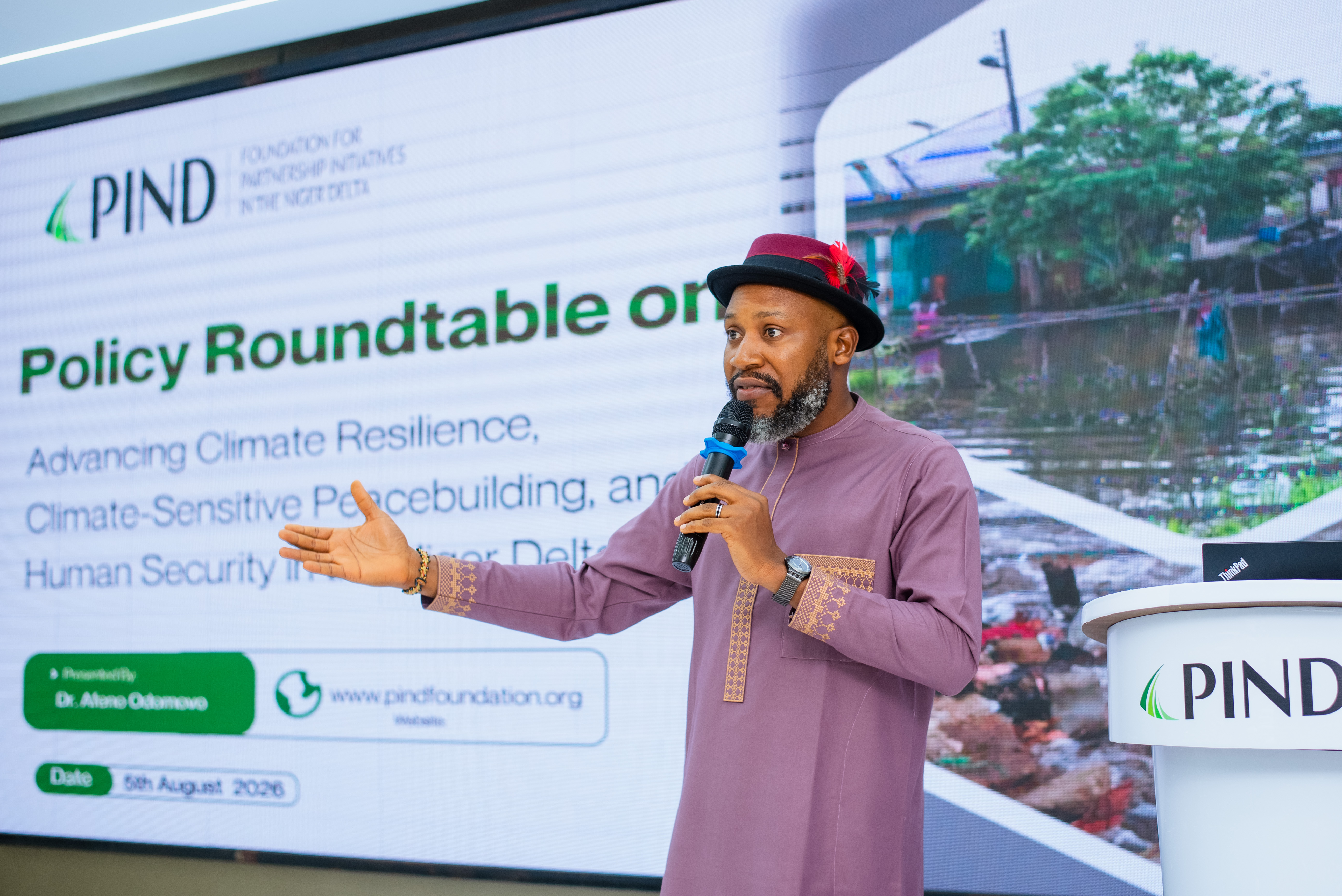
This was a major concern raised at a policy roundtable on Advancing Climate Resilience, Climate-Sensitive Peacebuilding and Human Security in the Niger Delta, held on August 5, 2026, in Port Harcourt, Rivers State.
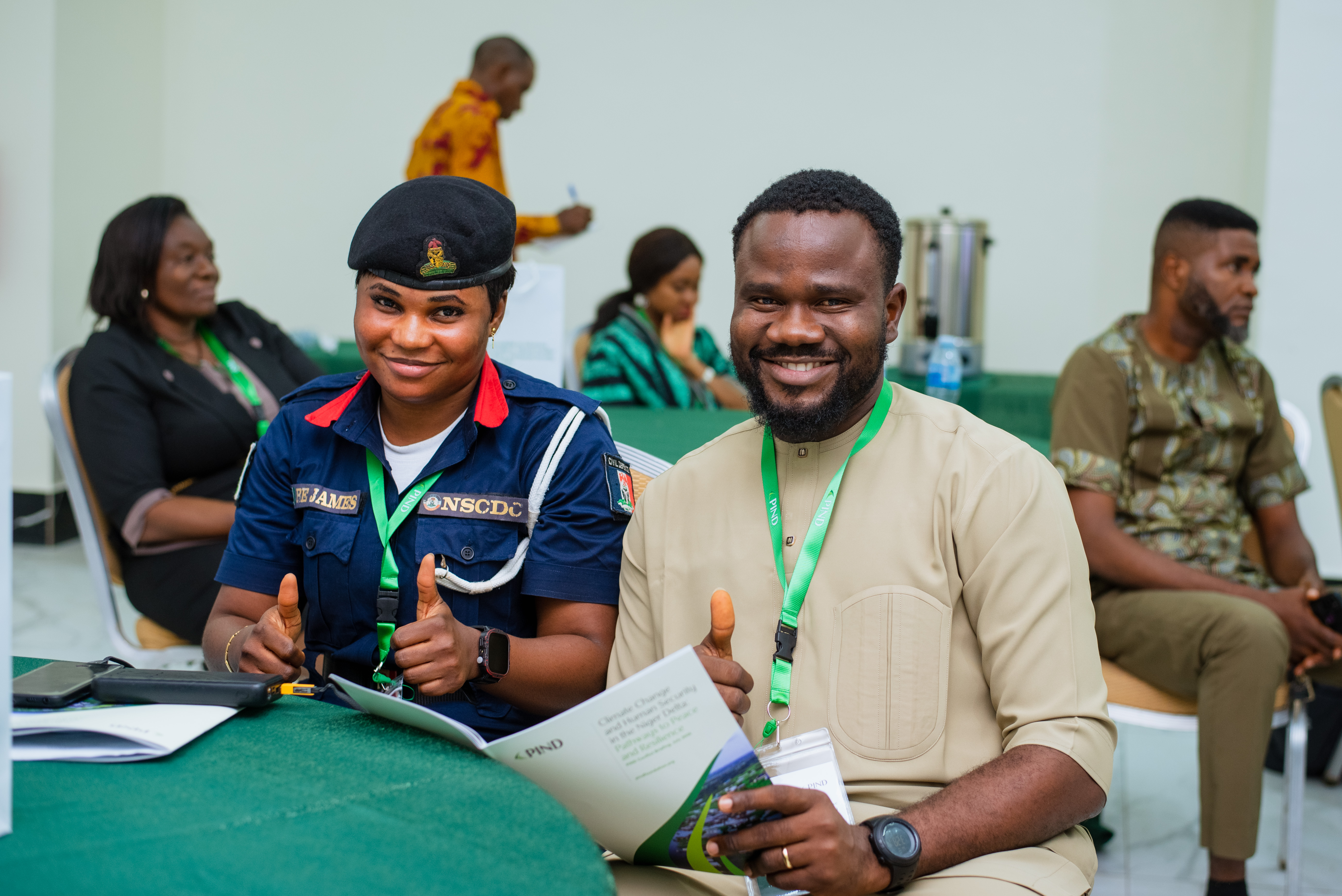
The convening brought together government representatives, emergency management officials, development partners, civil society organizations, researchers, environmental stakeholders, peacebuilding practitioners, and representatives of climate-vulnerable communities to examine how environmental pressures are affecting livelihoods and community security across the region.
From Environmental Pressure to Human Security
The discussion was particularly significant for communities whose livelihoods are closely tied to farming, fishing, and other natural-resource-based activities. Participants noted that when these resources become increasingly difficult to access or are damaged by climate-related events, the consequences can extend into household incomes, food security, displacement, and community relations.
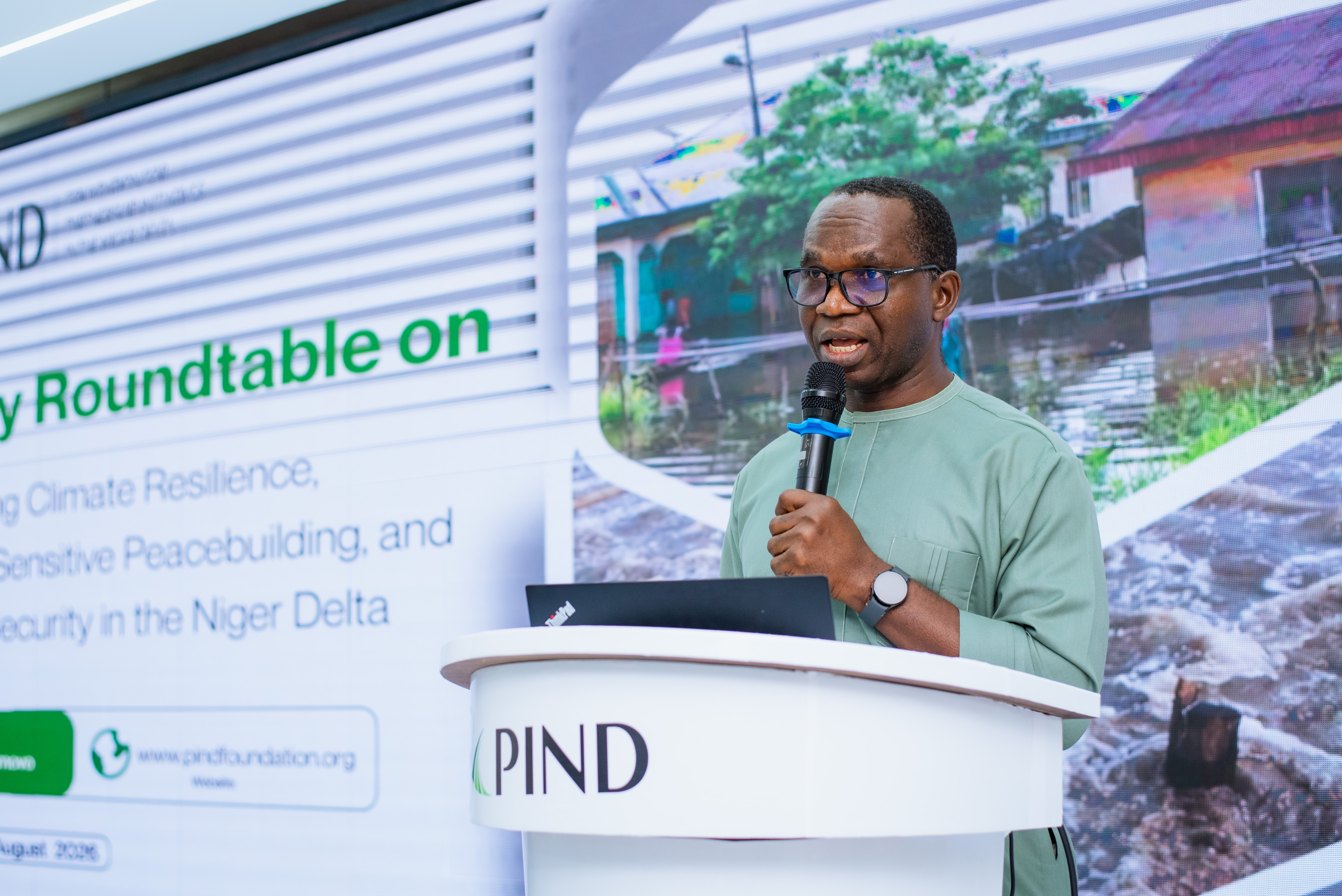
Speaking at the event, the Peacebuilding Program Manager of the Foundation for Partnership Initiatives in the Niger Delta (PIND), Dr. David Udofia, stated that flooding, degradation of fishing waters, destruction of mangroves, and the loss of household income can create wider social and economic pressures, particularly in already vulnerable communities. He further stressed the need to integrate climate resilience into peacebuilding and development planning, particularly as climate-related pressures interact with existing economic and social vulnerabilities.
The discussion moved beyond data and policy considerations when a representative of an affected community shared experiences of how these changes are being felt at the household level.
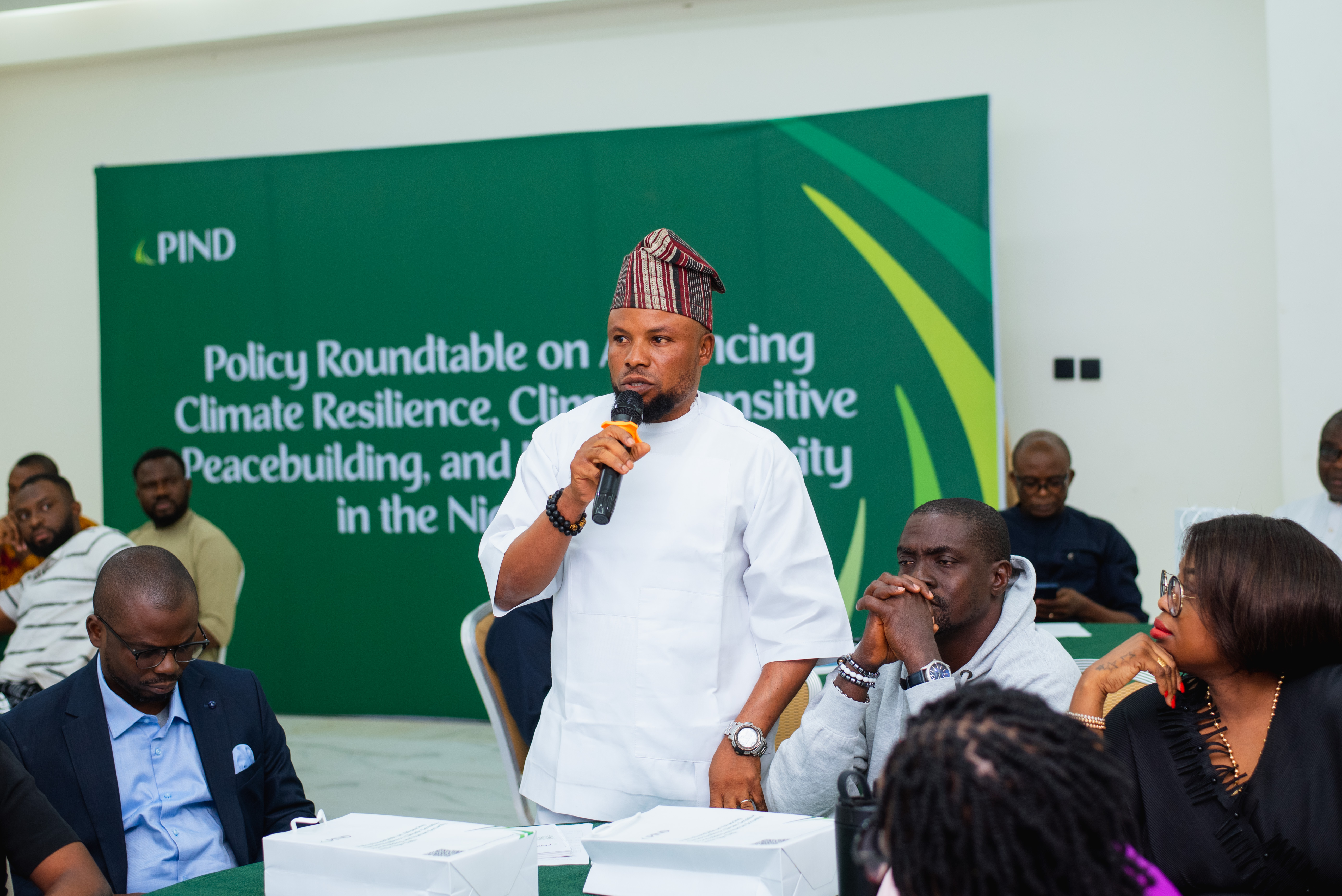
A representative from Bijimi Community in Ilaje Local Government Area, Mr. Ebijimi Olugbenga, described the growing difficulty communities face in maintaining their livelihoods as flooding and environmental degradation affect the land and water resources around them.
He stated the effects were not limited to loss of income, but also included displacement and damage to homes and community assets, and called for communities to be involved in designing responses, noting that residents are often best positioned to explain how climate-related changes are affecting their communities and what forms of intervention are likely to work locally.
A Call for Cross-Sector Collaboration
The challenges raised at the roundtable also highlighted the importance of stronger coordination among government institutions and other actors working on climate, disaster response, environmental management, livelihoods, and peacebuilding.
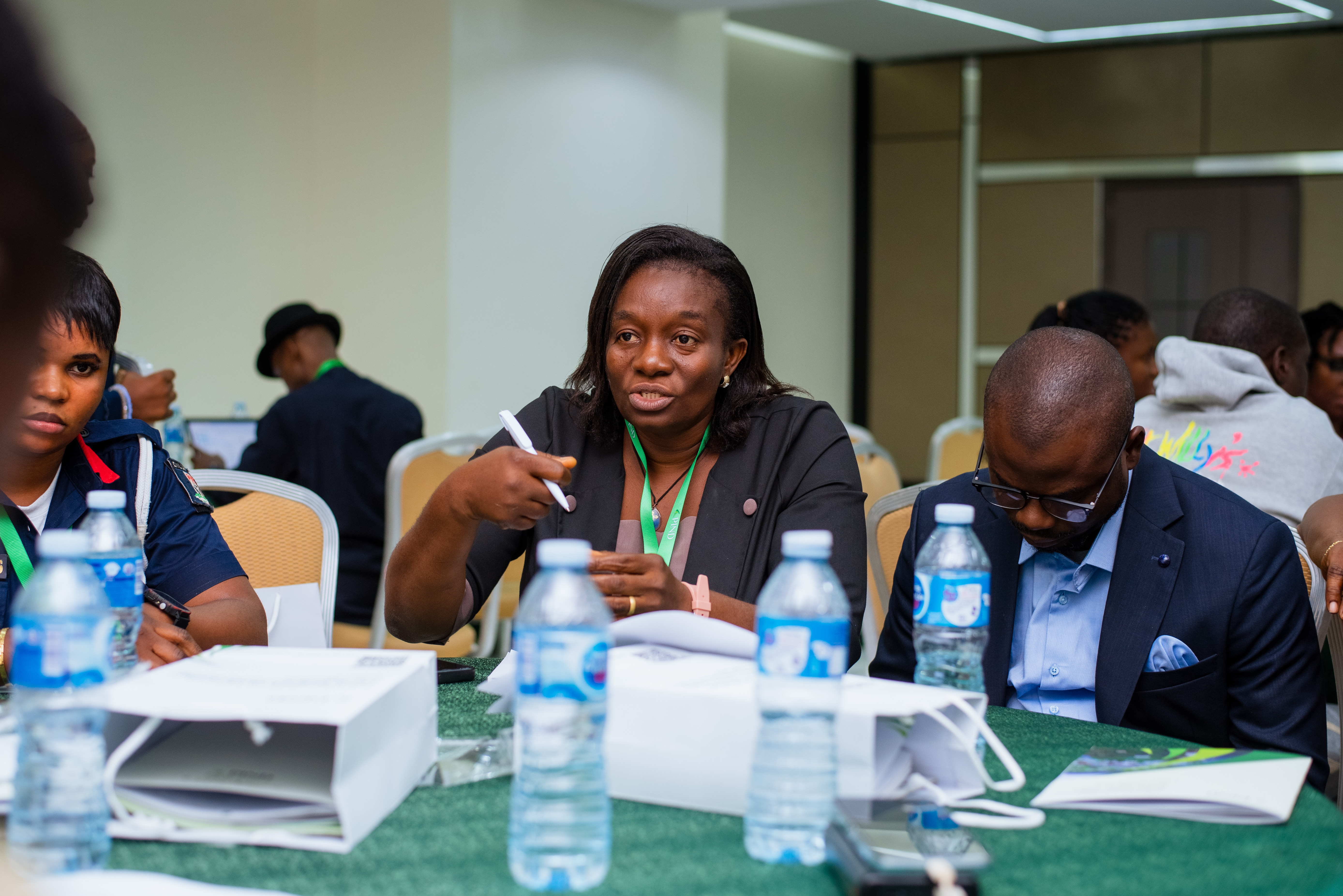
Representatives from emergency management and other government institutions also contributed to discussions on improving preparedness, responding to environmental risks, and identifying practical measures to reduce community vulnerability. A recurring message from the engagement was the need to move from responding to climate-related emergencies after they occur to anticipating risks and strengthening community resilience before crises escalate.
Moving from Dialogue to Action
The strategic engagement was built on earlier efforts to understand the relationship between climate change, resilience, and security in the Niger Delta, including the 2025 Niger Delta Crisis Scenario Planning Workshop on Resilience Strategies and subsequent research and stakeholder consultations on climate change and human security.
The event marked the launch of the Policy Brief on Climate Change and Human Security in the Niger Delta, which provides further evidence and analysis of the relationship between climate-related pressures, livelihood insecurity, conflict dynamics, and human security in the region.
As climate pressures continue to reshape livelihoods and community realities across the Niger Delta, the discussions point to a growing need to treat climate resilience not only as an environmental priority, but also as an essential component of development, disaster preparedness, peacebuilding, and human security.